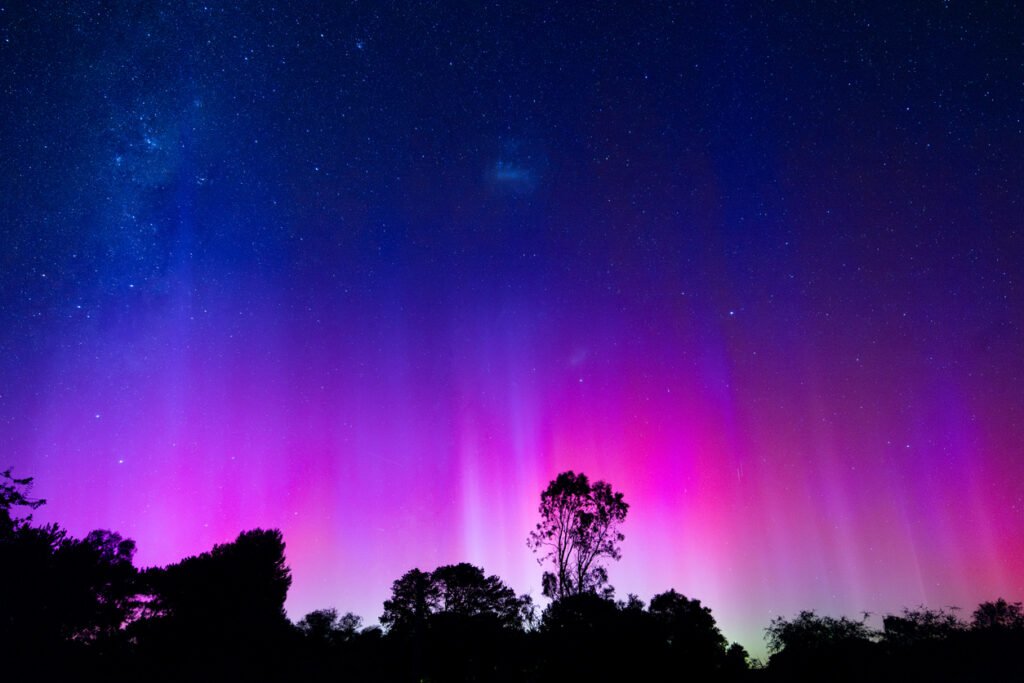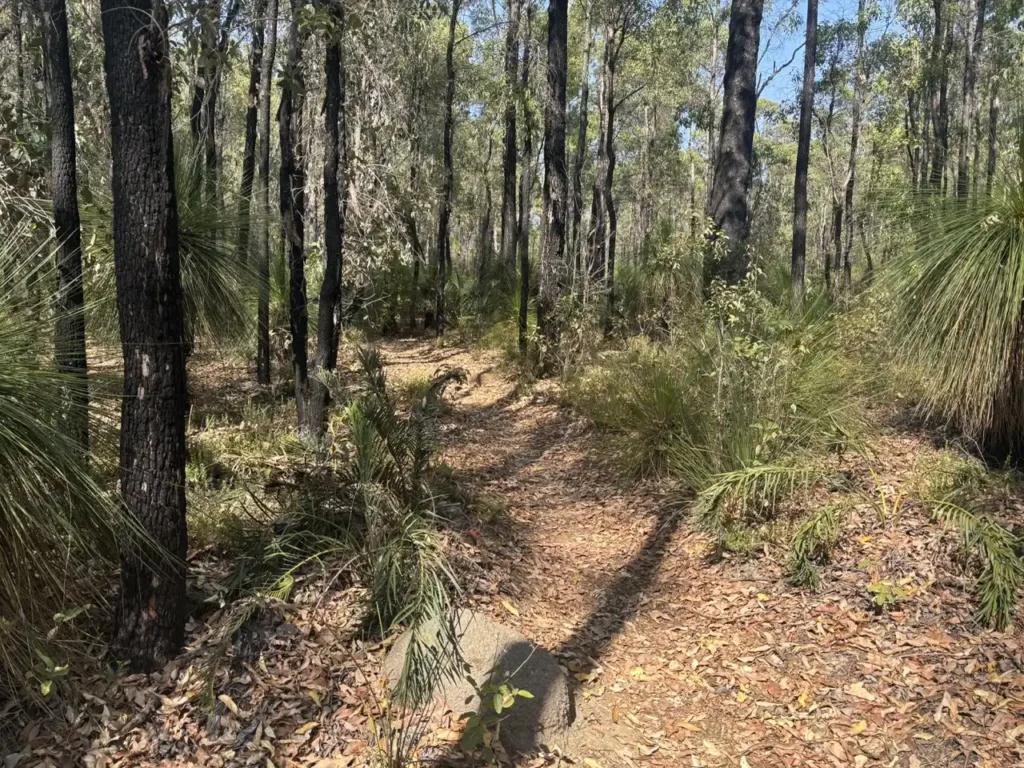
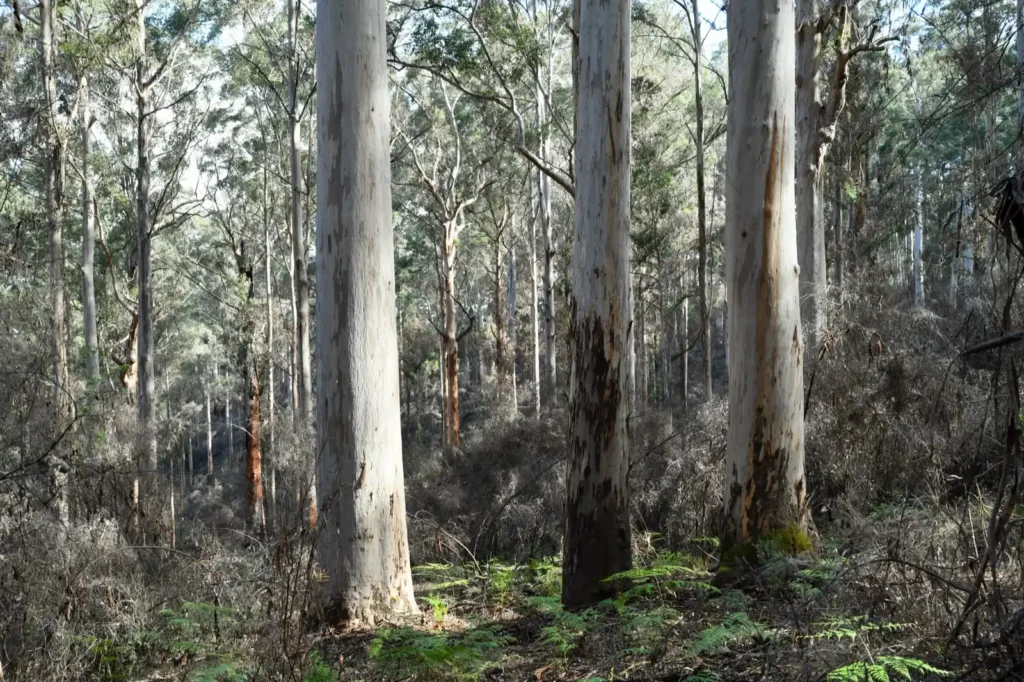
Waroona is one of those quiet WA destinations that’s both understated and underrated. Jarrah forest surrounds dams and rivers, the threatened black cockatoo sounds its eerie call, and there’s a sense that you’re much further than only 100-odd-kilometres from Perth. Which is why the idea of a large gallium refinery smashes those warm fuzzies these images conjure.
If Alcoa expands its Wagerup operation, it could fundamentally affect tourism, wildlife and the character of the region. But it’s not talked about. At least until now.
Jump to:
- What’s happening?
- Alcoa’s regulatory position in WA
- Is Waroona in support?
- What tourism is offered in Waroona and nearby?
- What happens to tourism when industry expands?
- Are there examples of mining affecting tourism elsewhere?
- Jobs versus tourism: what actually lasts?
- Why this matters now
- Why the Big Jarrah Loop matters
- What you can do right now
What’s happening?
The gallium proposal
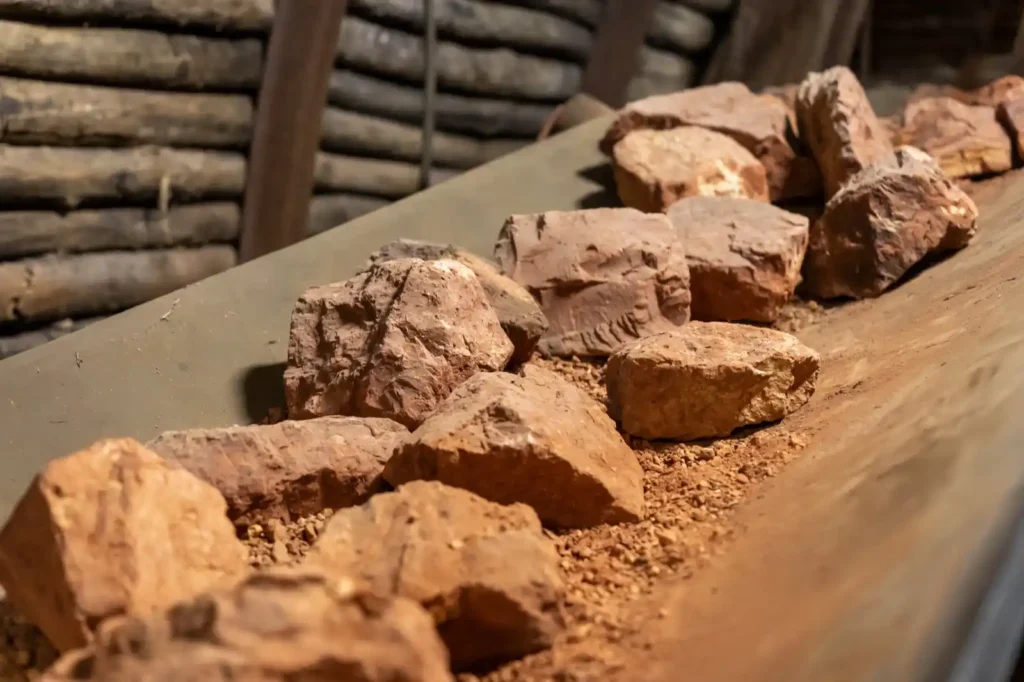
Alcoa plans to develop a gallium recovery and refining operation at its existing Wagerup alumina refinery, just north of Waroona. Gallium is a critical mineral used in semiconductors, electronics, renewable energy, and defence technologies. You might’ve heard of bauxite mining, and gallium is obtained from bauxite.
Under a US–Australia critical minerals agreement signed in late 2025, the Wagerup project is fast-tracked and has received around US$200 million in concessional finance. It could supply about 10 percent of global gallium demand once operational. It’s no shock that approvals are being accelerated, and environmental concerns are being weighed against economic priorities.
(You can read more about the US-Australia agreement directly from The White House’s fact sheet here. Note the bitter taste left in your mouth when reading that the US Department of War is investing in the construction of the gallium refinery.)
Who’s backing it?

Support comes from multiple levels: the Australian Government, the United States, Japanese investors and Alcoa itself.
The political momentum behind the project makes local scrutiny difficult and raises questions about independent environmental assessment. There are no bigger heavyweights in the world eyeing off the precious sedimentary rocks in our backyard.
Alcoa’s regulatory position in WA
Unlike most mining companies, Alcoa is largely exempt from standard Western Australian environmental laws. With freedom to roam and adhere to only a handful of regulations, its operations are governed by long-standing State Agreements, which allow it to mine within WA’s state forests.
Alcoa submits five-year mining and rehabilitation plans that are reviewed by a government committee and approved on a rolling basis. This approach allows continuous operation while future areas are assessed and progressively opened for mining.
Alcoa’s mining footprint near Perth
Alcoa’s mining activity near Perth between 1984 and 2022 (supplied Google Earth / abc.net.au)
Is Waroona in support?
Look, the local response is mixed. Some residents support the proposal because it promises jobs and economic stability. That’s completely understandable, given the cost of living accelerating beyond many people’s means. Plus, Alcoa has been part of the region for decades, and many families rely on the income it provides. Locals say they’re completely used to seeing the Alcoa-labelled polos and hi-vis every where they turn.
But that said, many are worried about clearing jarrah forest, water contamination and long-term damage to ecosystems that cannot recover once mined.
For me, industrial expansion near natural attractions changes how people feel about visiting a place. If a tourist destination — leveraging its environmental gems to attract visitors — starts to feel industrial, it destroys the appeal for nature-based tourism. And that’s the core of a Waroona visitor’s experience.
So, what tourism is offered in Waroona?
Waroona’s tourism focuses on simple, outdoor experiences — the type we love in WA.
People come to kayak or fish at Waroona Dam, swim and picnic at Drakesbrook Weir and walk through jarrah forest spotting the otherwise rare black cockatoo.
Nearby, Lane Poole Reserve and the Murray River offer camping, mountain biking, and paddling.
The town itself adds small-scale experiences, with a visitor centre, local cafés, country pubs, art trails and wineries, like Drakesbrook Wines. Annual events such as the Waroona Agricultural Show and TroutFest bring visitors and locals together.
It’s the type of quaint town we love: its visitors choose Waroona specifically because it is quiet, green and close to nature, which makes the area particularly sensitive to nearby industrial developments.
What happens to tourism when industry expands?
My personal take is straightforward: if a large gallium refinery sits next to the bushland or dams I want to visit, I would likely choose somewhere else. Industrial presence near natural landscapes is off-putting for visitors who expect clean, quiet and wild environments.
Research shows tourism is influenced as much by perception as by actual environmental damage. Even when pollution is within limits, visible industrial development can make a destination feel less appealing, especially to interstate and international visitors.
Once a location is seen as a mining town, that perception tends to stick. Goodbye campers, hikers, nature lovers.
Any examples of mining affecting tourism elsewhere?
Absolutely.
Bauxite mining on Rennell Island in the Solomon Islands didn’t just smash its appeal for nature-based tourism, it also caused water pollution and ecosystem damage. What its residents gained in jobs, they lost in sanitary conditions in their own land.
Closer to home in Queensland, studies around Weipa show mining constrained eco-tourism and left communities exposed once extraction slowed.
The examples are out there: mining competes with the same landscapes and ecosystems that tourism depends on. And rehabilitation rarely restores the original tourism value. In fact, we wouldn’t see anything close to restoration in our — or even our childrens’ — lifetime.
Jobs versus tourism: what actually lasts?
Mining jobs matter, but they are finite, commodity-dependent and increasingly automated. Tourism, when supported by healthy environments, is renewable. It sustains a variety of local businesses, circulates money within communities, and can grow over generations.
Which is why this appears to be a no-brainer for those on the fence: why not take the more sustainable route to long-term economic growth?
In the Peel region, tourism already contributes hundreds of millions of dollars each year, supporting long-term employment linked to the natural landscape.
But once an old growth forest or river system is lost to mining, the tourism opportunity disappears.
Why this matters now
Communities in WA have fought similar battles before. We’re actually still dusting off our gloves from the last fight.
In late 2025, public opposition to Alcoa’s previous proposals in the Northern Jarrah Forest included 59,000 submissions and record-breaking rallies at Parliament House. It was this sustained pressure that helped force Alcoa to withdraw some exploration areas.
But the threat has returned, under the banner of gallium extraction and backed by deals from the biggest international heavyweights imaginable. Trump literally wants to take your jarrah forests.
The Wagerup refinery sits adjacent to forests that protect drinking water, store carbon, support threatened species and hold cultural significance. Alcoa is seeking access to another 11,500 hectares, despite decades of failed rehabilitation and ongoing contamination concerns.
Are you ready to let that happen?
Why the Big Jarrah Loop matters
On February 24, 2026, local forest protectors Rick England and Hon Jess Beckerling MLC are calling West Australians say no to more jarrah forest mining. Enough is enough.
The goal is to make the forests visible and show they are living systems. To remind Albanese and Roger Cook — and more importantly, those WA residents silent on the issue — that once they are gone, they do not return.
What you can do right now
You don’t have to sit on your hands in frustration and watch all this play out. You can have your say.
Sign the WA Parliament e-Petition, which calls on the government to protect the Northern Jarrah Forest, safeguard water supplies, defend the EPA’s independence, and reject mining deals driven by foreign political pressure.
The petition closes on April 8, 2026, and is open to WA residents only.
If allowing Alcoa and your government to continue taking native bushland away from you and the generations that’ll follow upset you, then sign the e-Petition to keep Trump out of the Northern Jarrah Forests.