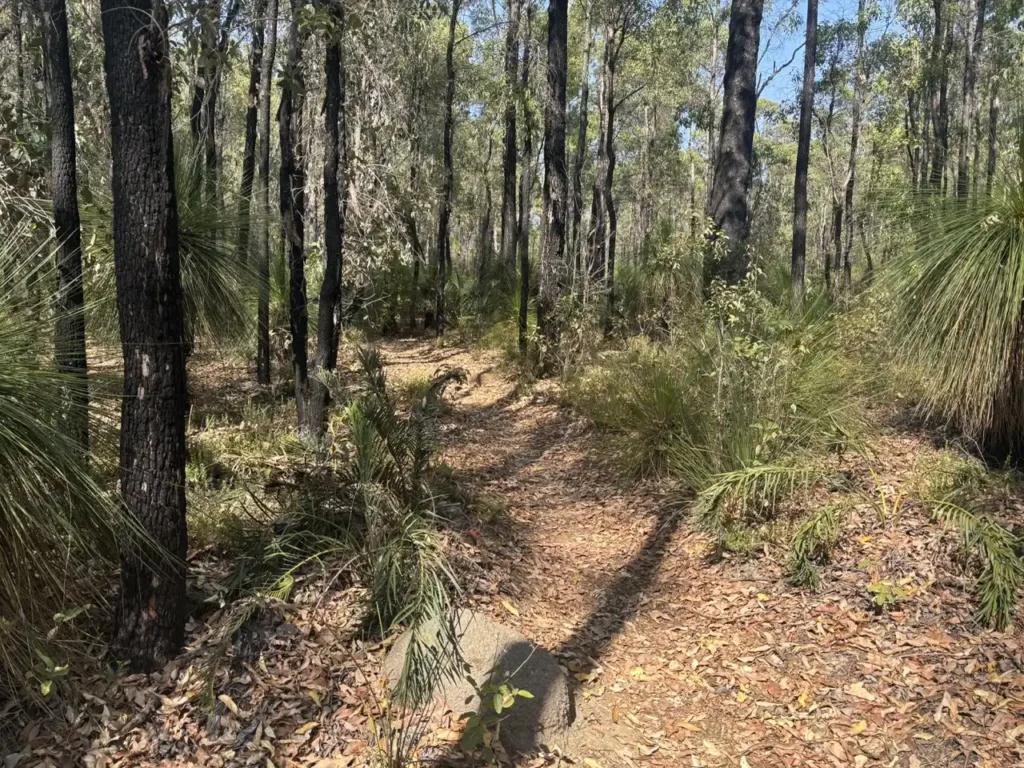
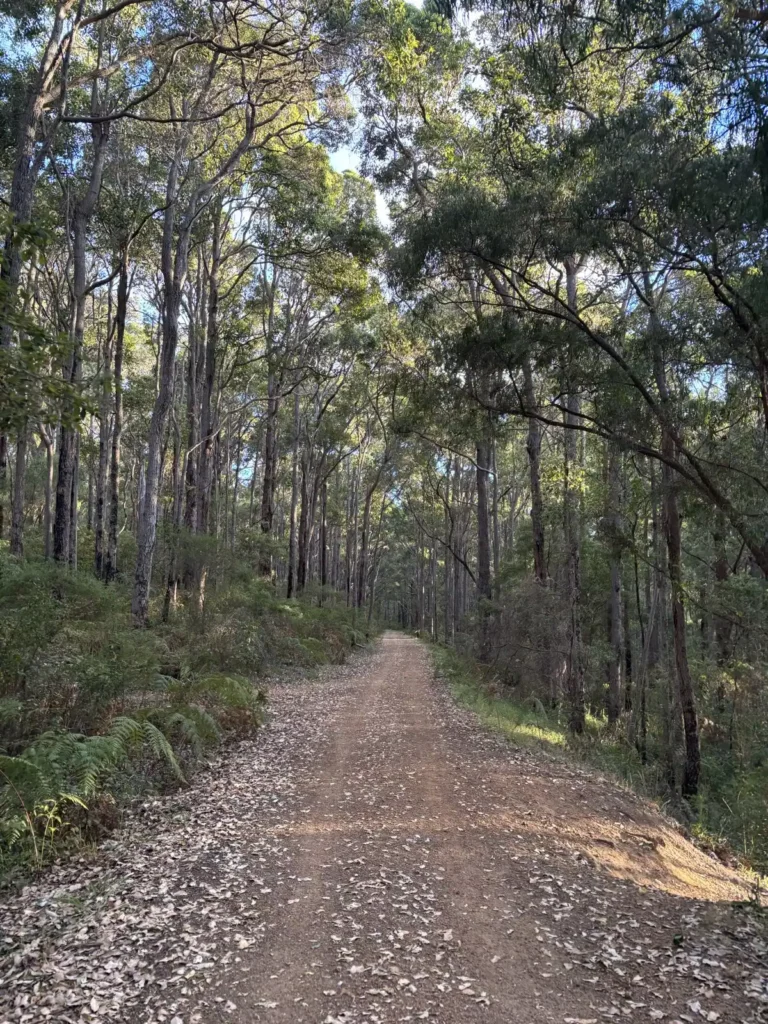
Every New Year’s Eve, Laura and I head down to Margaret River to stay with her sister and partner. The four of us used to kick off the year with glasses of bubbly in hand, the sounds of brushing leaves from the huge lemon-scented gums around us and the excitement of what the next year might bring. Now, we all have kids, we’re all in bed by nine. But it means my 18-month-old Zoe and I can make the early morning walk along the Wadandi Trail, our first activity of the year, heading out at five with the promise of a quiet start.
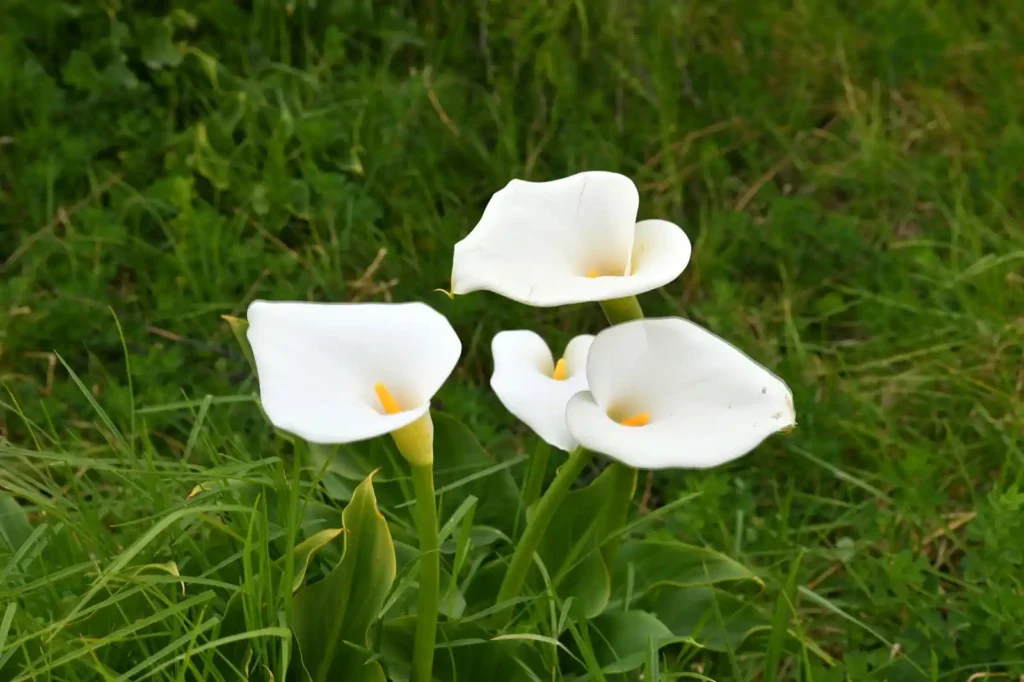
Yep, a lot has changed over the years, including my ability to identify WA’s native plants. And one thing that has surprised me in the last couple of years is a flower that I used to think of as purely beautiful. The white blooms that line parts of the trail, elegant, sculptural, almost celebratory in their clusters, aren’t just flowers. They’re Arum Lilies, and in much of the south west, they’re not a gift to the bush. They’re a weed. Poisonous, invasive and harmful to the ecosystem.
Arum Lily (Zantedeschia aethiopica): Beautiful but Invasive
Arum Lilies are striking. Their broad, glossy green leaves and the pure white funnel-shaped flowers with a central yellow spike can look almost sculptural in damp corners of the bush. It’s easy to see why people pick them, photograph them or imagine them in floral arrangements.
But Arum Lilies are not native to Australia. They were introduced from southern Africa as garden and ornamental plants. Once planted, they escaped cultivation and have spread widely across the south west, especially along waterways, wetlands and damp forest floors.
They grow in dense clumps which shade out understory plants and reduce the variety of native species that insects, birds and other wildlife rely on. Birds and foxes spread the seeds and even small fragments of the underground rhizomes can regrow if disturbed.
In many areas, including Margaret River and the surrounding bushland, Arum Lilies are classified as a Declared Plant under the Biosecurity and Agriculture Management Act 2007. Their sale and planting are restricted and local conservation groups run ongoing control programs to limit their spread.
Are Arum Lilies Poisonous?
Yes. All parts of the plant are toxic to humans, pets, livestock and wildlife. They contain calcium oxalate crystals that can cause irritation and swelling if ingested, along with gastrointestinal distress. Even handling them can cause skin irritation in some people.
This toxicity is part of why conservationists emphasise removal. Out of place, Arum Lilies threaten not just plants but the animals that depend on healthy understorey vegetation. In wetlands and along rivers, thick patches of these lilies can reduce food and shelter for native species making it harder for ecosystems to recover.
Community Efforts and What You Can Do
Locals have shared a range of approaches to dealing with Arum Lilies. Some pick the flowers to slow the spread. Others remove the whole plant, roots and all, sometimes with herbicide supplied by the local council. Community weed-busting events and coordinated control programs are helping, but the lilies are persistent. Even bushfires don’t always stop them, they often grow back quickly ready to reclaim the land.
If you see Arum Lilies on a walk, there are a few things you can do safely:
- Wear gloves if handling the plant
- Remove flowers and seed heads before seeds ripen to reduce spread
- Avoid dumping pulled plants back into the bush which would allow them to regrow elsewhere
- Check with local conservation groups or councils for herbicide programs or community removal days
Even small actions can make a difference in areas where the plant has become established.
Why It Matters
Walking the Wadandi Trail with Zoe, it’s clear how easy it is to assume that beauty equals harmlessness. Arum Lilies are visually striking, but they’re not harmless and letting them dominate bushland has real consequences for the plants and animals that evolved here.
So on our next January 1st morning walk, as Zoe and I follow the trail under the rising sun, there’s one flower I won’t be picking for Laura. The Arum Lily may look perfect in a vase, but in the bush, among gum shadows and bird calls, it’s a reminder that beauty on the surface doesn’t always reflect what’s happening underneath. And in a place as special as the south west, that’s something worth noticing.