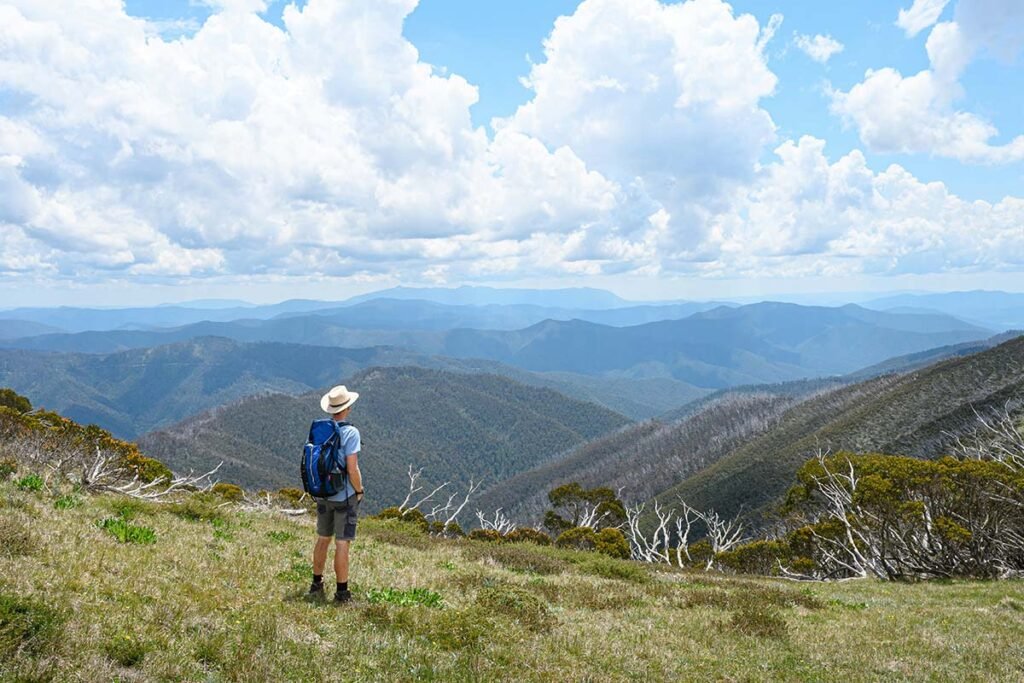

Every summer this question pops up again and again, usually right around the first proper heatwave.Do you hang the boots up until autumn, pivot to the coast and the water, or keep hiking regardless and just adapt?
I threw the question out to the WA hiking community and the answers were telling. Most people don’t sit at either extreme. Summer hiking here isn’t about bravado, it’s about timing, terrain and knowing when to say “not today”.
What WA hikers actually do in summer
When the temperatures climb, most hikers quietly change their rhythm rather than their identity.
Around a third retreat to air con and shaded pursuits, another big chunk swap trails for snorkelling, kayaking or coastal swims. A small group hikes year round without much adjustment. Another slice still hikes but only early, finishing before the day turns savage.
That alone says a lot. Summer doesn’t kill the urge to get outside, it just reshapes it.
One comment summed it up perfectly, short hikes in the early morning, longer ones only when a cooler window opens, overnight trips can wait until autumn.
Another was blunter, hiking starts again once the rains have washed the dust off the bush and softened the ground.
Both are valid.
The case for hiking in summer
WA summers are brutal, but they also offer things no other season does.
Long daylight hours mean pre-dawn starts and golden hour finishes. Early mornings feel almost borrowed from another world, quiet trails, kangaroos still moving, air cool enough to forget what’s coming later.
Twilight hikes can be magic too. The temperature drops, shadows stretch and familiar trails feel new again. Some people even lean into night hikes, especially around a full moon, when visibility is surprisingly good and the heat finally backs off.
If you’re intentional, summer can be one of the most memorable times to hike.
The very real reasons people ease off
Heat is only part of the story.
Fire risk changes everything. Many experienced hikers won’t touch remote tracks on high or extreme fire danger days, especially long trails without quick exits to roads. Places like sections of the Bibbulmun Track can go from peaceful to dangerous very fast in summer conditions.
Snakes are more active. Flies are relentless. Water sources dry up. Recovery takes longer. Mistakes compound quicker.
None of this means don’t hike. It just means summer is not the season for winging it.
How people safely hike through WA summers
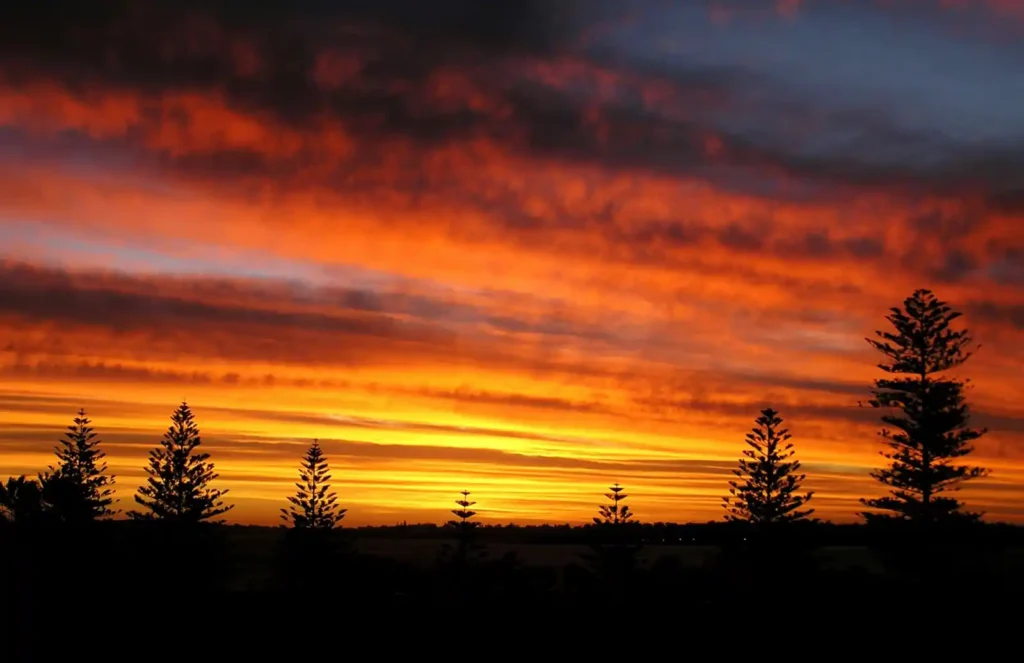
Patterns emerged again and again in the responses.
Early starts are non-negotiable. Many people are on the trail by 4–6am, done by lunchtime and either swimming or horizontal by early afternoon.
Hikes are shorter. Two to three hours max is common.
Planning happens closer to the day. Weather shifts fast so locking plans in a week ahead makes less sense.
Fire apps get checked. DFES and Emergency WA are standard tabs.
Communication matters more. People leave hike plans, set check-in times, carry PLBs or satellite communicators and don’t rely on phone coverage.
Snake bite kits come along every time, often carried by more than one person in a group.
There’s a quiet competence to all of this. Not dramatic, just prepared.
Best places to hike in summer around Perth and beyond
Summer is not the time to chase exposed ridgelines or long inland slogs. It’s the season for shade, breeze and water.
Big canopy trails
Trails with tall forest cover stay noticeably cooler. Managed forests and older regrowth can still offer decent shade, especially early in the day.
Sections of the Bibbulmun Track near the Camel Farm area around Sullivan Rock and Mount Vincent are popular summer options. Short sections, forested, easy access points and enough elevation to catch cooler air without committing to a big day.
Coastal walks
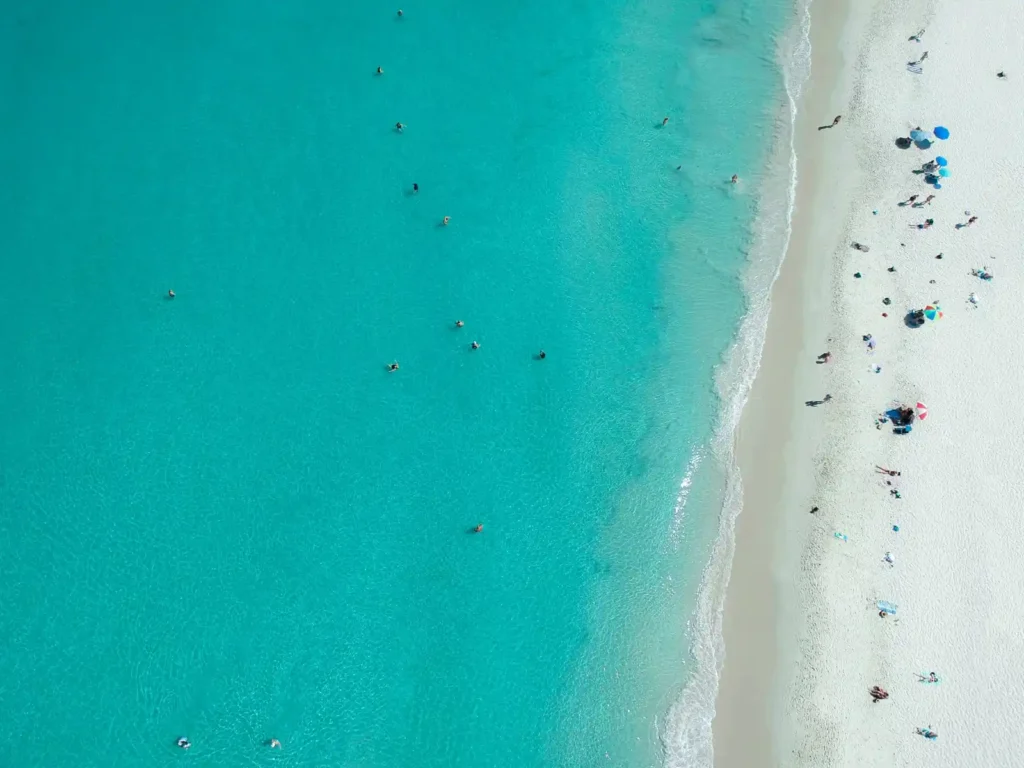
The coast earns its reputation in summer.
Sea breezes take the edge off the heat and swims are never far away. Point Peron is a classic for a reason, short distances, multiple bays, safe exits and a swim waiting at the end. Rottnest Island is another standout, walk between bays, jump in the water, repeat.
Down south escapes
If you can travel, the south coast changes the game.
Albany, Walpole, Dunsborough and the Cape to Cape all offer cooler daytime temperatures and coastal exposure. You don’t need to tackle full multi-day hikes either, shorter sections still deliver big scenery without the heat load.
What to wear and carry in summer
Summer hiking kits are lighter but more deliberate. Here’s a few suggestions if you’re braving a hike in the WA summer:
- Pale, loose clothing that covers skin. Long pants help with sun, scrub, ticks and snakes.
- A wide-brim hat or cap with neck coverage.
- More water than you think you’ll need, plus electrolytes.
- Offline maps downloaded.
- A snake bite kit and the knowledge to use it.
- Sun protection that actually works when you sweat.
- A PLB or satellite communicator if you’re remote or solo.
And yes, a fly net if you value your sanity.
Knowing when to call it quits
This matters more than anything.
If the heat feels wrong early, it won’t improve later. And if the fire danger rating jumps, change plans.
If you’re chasing a “fitness win” rather than enjoying the day, that’s usually the cue to stop. After all, there’s no badge for pushing through a bad summer call. Autumn will still be there.
So… to hike or not to hike?
Most WA hikers don’t choose one or the other.
They hike less, shorter and smarter. They swap boots for fins some days, wake earlier when the mercury is low, and most crucial: they pay closer attention.
Summer demands respect in WA, so ensure you give it a good think before heading out on a long bushwalk while the temps are high.
And when it’s all too much, there’s always the ocean, the kayak or an air conditioned café. Before you know it, you’ll be back out hiking in the Perth Hills.
Still keen to head off on a bushwalk? Make sure these things are packed in your sack.